Stress relief
Many people use ASMR to unwind after a busy day and feel less mentally overloaded.
Informational resource about ASMR
ASMRWell is an educational website dedicated to explaining what ASMR is, why many people find it relaxing, and how it may support mental wellbeing. We share articles, overviews, and curated examples — for information only.
This website is for general educational and informational purposes only. It does not provide medical advice, diagnosis, treatment, or professional mental health services. Always consult a qualified healthcare provider if you have questions about your health or wellbeing.
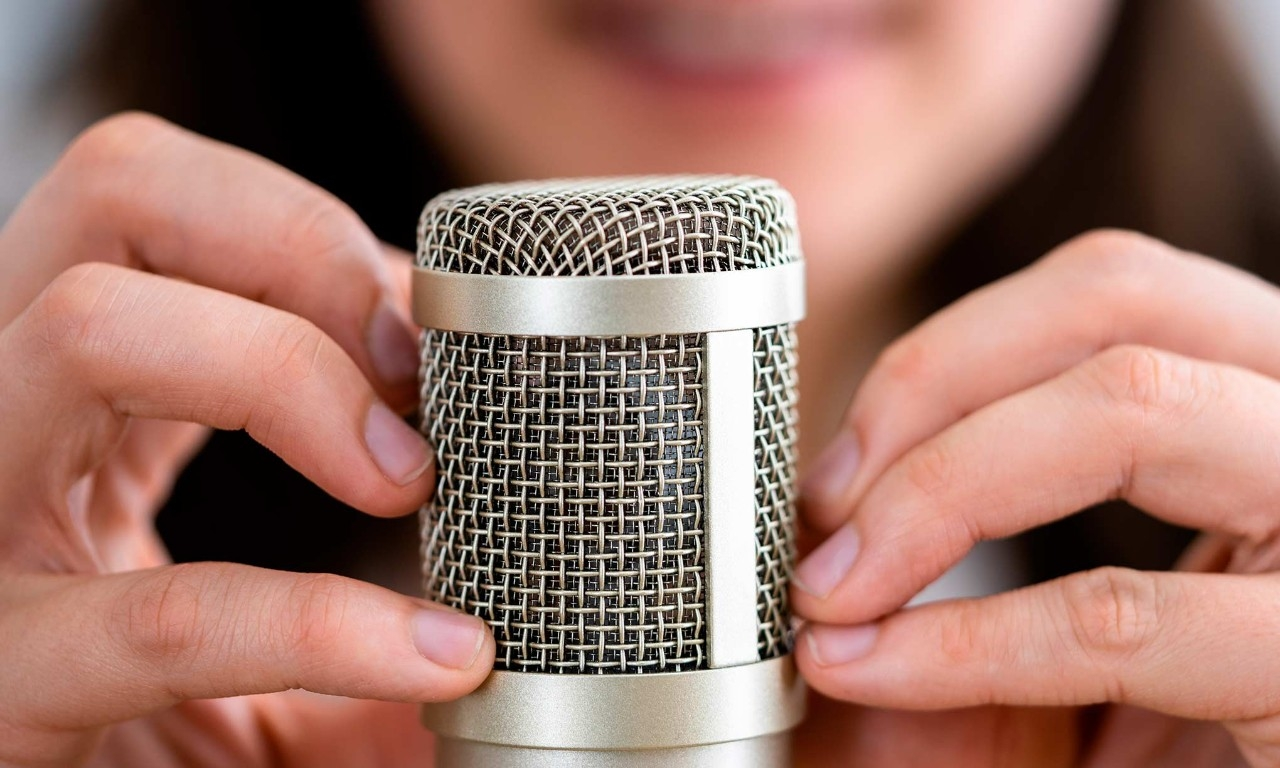
Example: gentle ASMR often used when learning what triggers feel calming.
ASMR (Autonomous Sensory Meridian Response) is a pleasant tingling sensation that some people experience in response to soft sounds, whispering, tapping, brushing, or slow visual movements. For many listeners, it feels calming rather than stimulating.
On this site we explain common ASMR triggers, how people use ASMR in daily life, and what research and community reports suggest about its potential benefits.
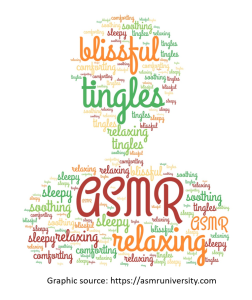
Example session for informational purposes only.
The following points reflect common experiences shared by ASMR listeners and findings from preliminary research. Individual results may vary.

Many people use ASMR to unwind after a busy day and feel less mentally overloaded.
Quiet, repetitive sounds are often used as a gentle background before bedtime.
Slow-paced ASMR content may help some listeners feel safer and more grounded.
Short sessions can serve as a mindful pause between tasks or screen time.
Familiar triggers and caring tones may create a sense of connection and ease.
ASMR requires no special equipment — just headphones and a few quiet minutes.
Example session for informational purposes — not a recommendation or substitute for professional care.
Growing interest in ASMR has led to early studies on its effects on mood, heart rate, and sleep quality. While research is still developing, many listeners describe ASMR as a helpful complement to other relaxation habits such as breathing exercises, journaling, or gentle stretching.
ASMRWell does not claim that ASMR treats or cures any condition. We aim to present clear, balanced information so you can decide whether exploring ASMR fits your personal routine.
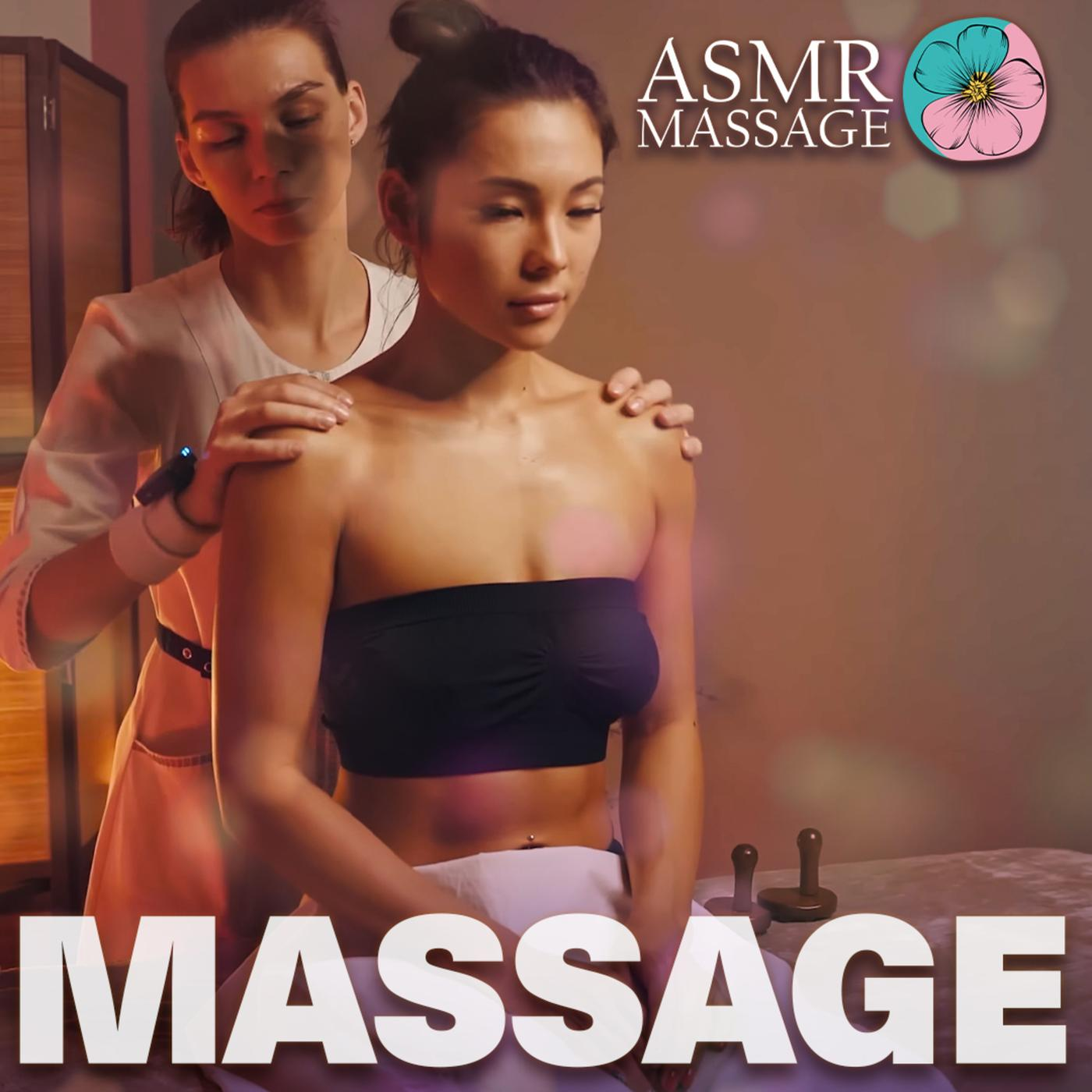
Example: slow-paced content listeners often explore for evening calm.
Common ways listeners try ASMR — shared for informational context only.
Read about triggers, sensations, and why ASMR affects people differently.

Experiment with whispering, tapping, nature sounds, or role-play formats.
Pay attention to which content feels calming and what time of day works best.
Example ASMR content for learning and exploration.
Educational blog posts on ASMR, relaxation, and everyday mental wellbeing.
An informational overview of how ASMR listeners describe relief from everyday anxiety.
Educational notes on why slow-paced ASMR is commonly used before bedtime.
A beginner-friendly guide to exploring ASMR triggers and listening habits.